
Foot and Ankle Safety with Shoe Lifts: Reducing the Risk of Rolling an Ankle
Step Rite Shoe Lifts
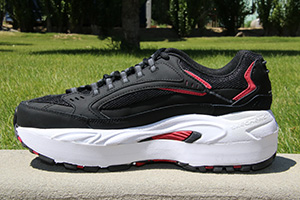
A well-built lift is level across its width, runs the full length of the sole, and on taller heights is flared wider at the heel so the shoe resists rolling. Ankle rolls come from lifts that are narrow, uneven, or heel-only. Ask for a full-length lift and, on taller heights, a stabilizer.
What makes a lift stable
Level, so the foot lands flat. Full length, so the foot rolls instead of pivoting on a heel block. And a base at least as wide as the original sole.
Stabilizers and flares
On lifts over about an inch and a half, the heel is flared outward a few millimeters on the outside edge. The shoe resists tipping and the ankle stays planted. It is a small change and it is the difference on uneven ground.
The shoe underneath
A firm heel counter and a wide base. Stability walking shoes and boots take tall lifts best; a soft fashion sneaker takes them worst.
Why build quality is the whole subject
A customer sent us a pair lifted elsewhere: "The lift is not level and leans to the right. As a result, I often have near ankle rolls." A lift is only as safe as the bench that built it.


